A Unique Chapter Brings Diversity to ARS
 “The idea is still a little strange.”
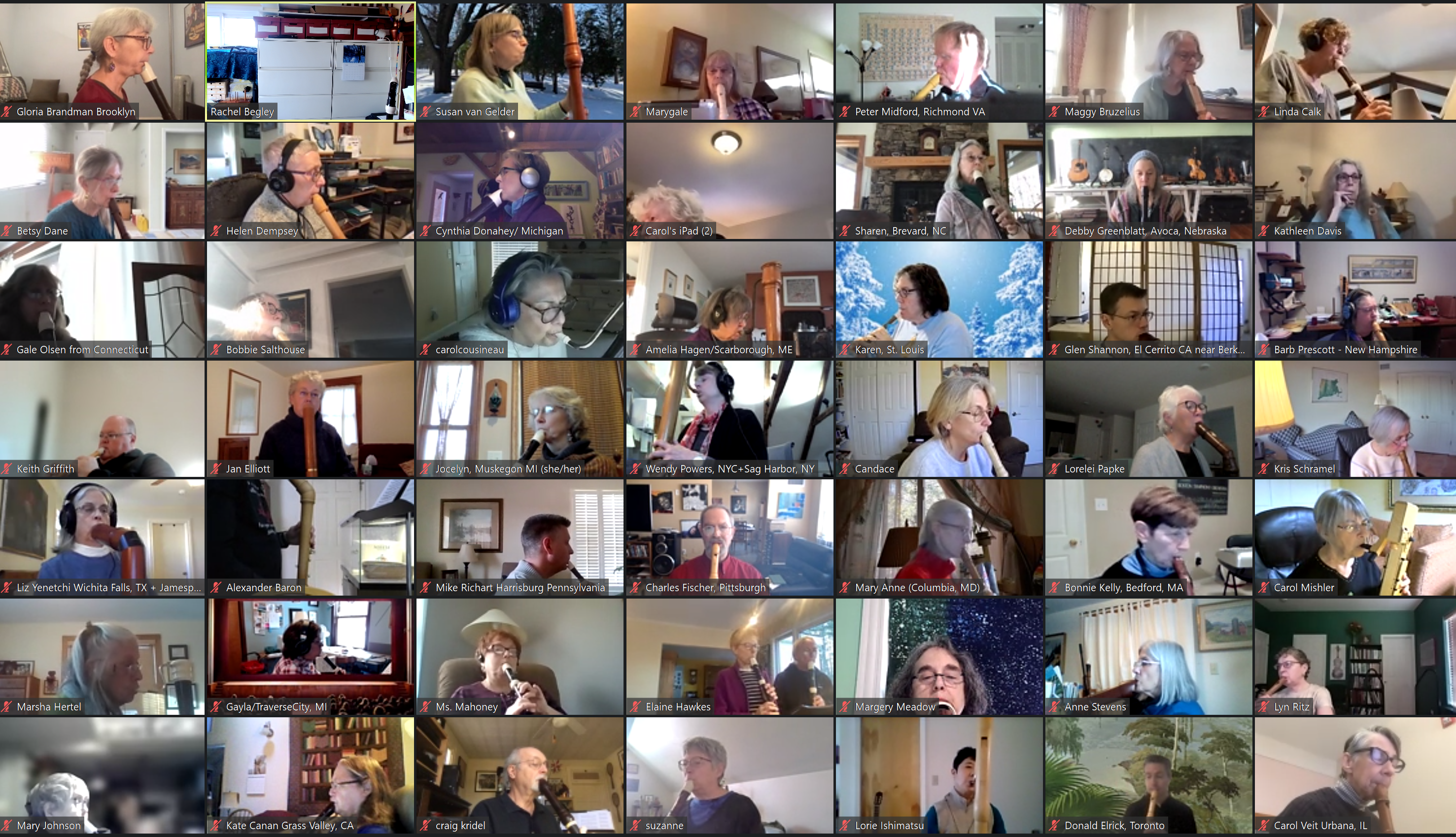
Rachel Begley, who has been the Music Director for the Recorder Society of Long Island (RSLI) since 1994, and now leads the North American Virtual Recorder Society (NAVRS) as well, is still getting used to her latest venture.
“We offered a session in December that was a freebie, just to show people what it was about, and we got over 100 players joining us for that. Then, at the next session (which was fee-based), we had 60 or more, which is quite incredible.”
The nascent success of NAVRS - its very existence, in fact - is just one example of the myriad ways in which the Covid pandemic has turned commonly held assumptions topsy-turvy. But now that it’s here, under the solid leadership of an experienced music director and a committed board of directors, and with a strategic vision for continued success in the future, NAVRS appears to have a unique potential to address one of ARS’s biggest challenges: building diversity within the recorder community.
NAVRS is most certainly a product of, and a response to, its time. When Begley looks back on the cultural shifts that have happened over the last few decades, there are two in particular that stand out to her. “First of all, people are having kids much later. If you’re having kids later, you are running your kids to various activities on the weekends or weeknights, and you don’t have time for yourself until quite a bit later. So, whereas before someone might have joined a local recorder chapter in their 30s or 40s, now they’re waiting until their mid-to-late 50s.”
“The other shift, of course,” says Begley, “is computers. Everybody is online all the time. When people started getting computers at home for the first time, that’s where their lives migrated. People weren’t coming to things because they were so caught up in computer stuff. Actually, now that I think about it, it’s not that they weren’t coming to things, it’s that we couldn’t get new people to come to things.”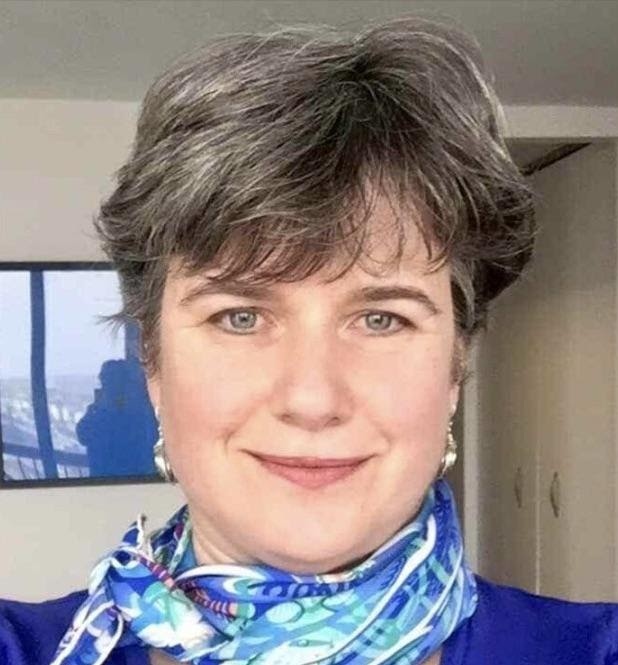
But now that the novelty of the computer has worn off, and the pandemic has made online experiences commonplace while forcing us all to re-evaluate the most rewarding use of our time, people are beginning to seek out new experiences on their laptop or iPad. NAVRS may be in exactly the right place and time to exploit this, Begley feels.
“NAVRS is there for the people who can’t travel, or people who can’t get together because of the pandemic or other health issues. Perhaps they don’t drive at night anymore. Maybe they just want to know more about our instrument. Maybe they’re curious about our community. Maybe they were part of a chapter once and dream of being in one again. It could be any number of things. Covid really put all of this in perspective.”
Even participation in a local chapter (whether in-person or online) does not keep people from joining NAVRS. “There are those that don’t have a chapter near them at all, but then there are others who want even more playing opportunities than their current chapter offers. One of the things that I’m trying to impress upon chapter leaders is that we’re not there to replace their chapter. We’re there to supplement it.”
And what about the diversity question? How is NAVRS poised to address that?
“ARS has discovered that more than half of its members are not affiliated with a chapter, which is an astonishing number. Some of these people are interested enough in the recorder to join ARS, even if they don’t have a local group to be connected to. And while you may not have that connection to a local group, you also don’t have that as a barrier.” So far, Begley has noticed that the removal of this barrier allows for, and even invites greater diversity, particularly of age, gender, and playing ability. “Half of the people [currently in NAVRS] have been playing for 25 years or more, and a quarter have only been playing for 3 years or less. It’s encouraging that we are attracting members at both ends. It’s not just the newbies, and it’s not just the tried and true who are used to this kind of thing. We’ve actually got both.”
Two extremely important elements of opening the door for greater diversity among participants in NAVRS (and elsewhere) are, perhaps, not obvious ones: the lack of need for interaction, and recordings.
“Every year, now, I do a series of holiday music workshops online,” says Begley, “and it’s really interesting to see that people will come out of the woodwork in the safety of that environment. You don’t actually have to interact with anybody when you’re online, if you don’t feel comfortable, whereas, if you show up in person, you really do. So, if you’re a young black guy, for example, who wants to play the recorder, coming along to a chapter meeting is not what you’re going to do.” But the holidays are a huge draw for everyone. “I attribute much of the success of these workshops to the fact that they happen at a time of year when people are hungry for music.” Another ingredient for success is that Begley makes absolutely sure that every session is recorded and available for several weeks after the fact.
“Having recordings made and available is really important, I think. It amazes to me how few chapters record their meetings. Busy people can’t always show up on Saturday afternoon or Friday night. There are other things that are going on in your life, especially if you are a younger person. If you are a younger person, flexibility is key. The ability and desire to change their lives on a dime is the norm now, and we have to accommodate that lifestyle difference.”
“The other thing that the recordings do that I hadn’t anticipated, but that makes a lot of sense, is that they allow the less experienced players to go over it again and again, until they feel comfortable.”
In the end, a sense of comfort could be the single most important thing to get right, when tackling issues of diversity among the recorder community. “If [as a potential member] I’m on the fence about going to a chapter, knowing that that there will be someone there making sure I had a good experience would be an enticement. And if I had a good experience, I’d be more likely to go again.”
Begley has already employed a means of achieving this goal at the Long Island chapter: a mentor system. Everyone who walks in the door at RSLI is either a mentor or a mentee. Mentees look for someone with a little “mentor” sign on their music stand and sit next to them. Mentors help mentees to know where they are in the music, play the same part if needed/desired, check fingerings, help them with rhythms and to stay in time, and generally ensure that they feel comfortable being a part of the group. “This seems to work better than anything else we’ve tried over the years. I can’t claim credit for this idea at all. I wish I could because it’s the reason that the chapter has stopped imploding. But it was [fellow RSLI member and longtime music teacher] Patsy Rogers who came up with it.”
Between the low cost of entry-level instruments, the capability to break down geographic and social barriers that the internet provides, the relative ease of making recordings available, and innovative thinking around building spaces of comfort for newcomers, virtual initiatives like NAVRS offer the recorder world enormous potential to build a more diverse pool of players and enthusiasts. I encourage all of us to draw inspiration from this, and to continue building on the work of out-of-the-box thinkers like Begley and others, not only to keep our art form alive but to help it bloom.
Submitted by Jamie Allen